Accent Wall Ideas: Colour, Panelling, Wallpaper and More
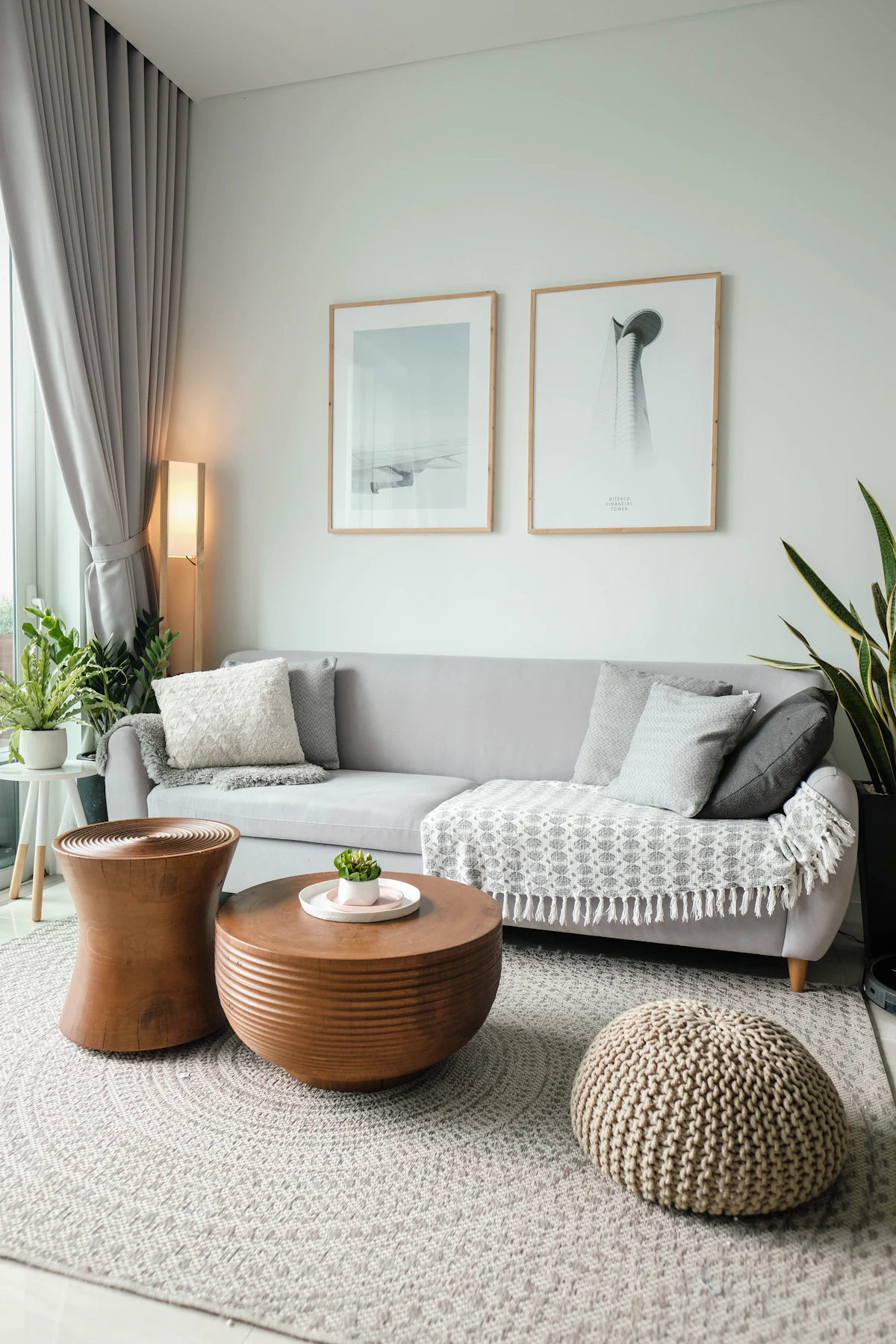
Quick answer: An accent wall works when it is the wall you naturally look at, usually behind the sofa or the bed, and the colour is already present in the room. Paint, panelling or wallpaper all work, but only on one wall, with the other walls kept light and simple.
An accent wall is one wall that is different from the others, usually a bolder colour, a pattern, or a texture. It adds depth and focus to a room, without the commitment of painting every wall. It is also easy to get wrong: the wrong wall, the wrong colour, or too many accent walls make a room feel smaller and more chaotic. This guide shows how to choose the right wall, the right colour, and the right finish.
Choose the right wall
The accent wall should be the wall you naturally look at when you enter the room, usually the wall behind the sofa, the wall behind the bed, or the fireplace wall. It should be a wall with a clear purpose, not a wall with a door or a window that breaks it up. Avoid making the longest wall the accent wall, because it will make the room feel narrower. Avoid making a wall with a television the accent wall, unless the television is the focal point. One accent wall per room is usually enough. If you are unsure, stand in the doorway and notice which wall your eye lands on first. That is the accent wall.
Paint: the simplest accent wall
Paint is the simplest and cheapest accent wall. Choose a colour that is already present in the room, such as a cushion, a rug or a piece of art, so the wall looks connected. Deep green, navy, charcoal and warm terracotta are popular accent colours, because they add depth without being bright. Use a matt or eggshell finish, and paint two thin coats. Test the colour on the wall, in daylight and in the evening, before painting the whole wall, because a colour looks darker and stronger on a full wall than on a sample. A painted accent wall is easy to change, so it is a good first accent wall.
Panelling and wood slats
Panelling adds architecture and texture to an accent wall. Painted panelling in the same colour as the wall adds texture without colour contrast, while a contrasting colour makes a feature wall. Slim vertical wood slats add height and warmth, and they suit a modern or Scandinavian room. Use the slats on the wall behind the sofa or the bed, and keep the other walls plain. A half-height dado with a shelf on top gives you a display ledge. Panelling is more permanent than paint, so choose a style you will love for years, not just for a season.
Wallpaper as an accent wall
Wallpaper is a good accent wall, because it adds pattern and texture that paint cannot. Choose a wallpaper with a pattern you love, and use it on one wall only, with the other walls in a plain colour from the wallpaper. A bold pattern suits a large room, while a subtle pattern suits a small room. Avoid a busy pattern on a wall with a television or a lot of furniture in front of it, because the pattern will be hidden and the room will feel busy. Our wallpaper calculator works out how many rolls you need, including pattern repeat.
Try the wallpaper calculator.
Other accent wall ideas
Other accent wall options include a large piece of art, a gallery wall, a brick or stone wall, and a wall of shelves. A large mirror can be an accent wall, because it reflects light and makes the room feel larger. A wall of open shelves, styled with books and objects, can be an accent wall, but it needs to be tidy. A fabric wall hanging, or a large woven textile, adds texture and warmth, and it is easy to change. Choose an accent wall idea that suits the room and your budget, and keep the other walls simple, so the accent wall can be the star.
Colour: how to choose
Choose an accent colour that is already in the room, so the wall looks connected. Look at the cushions, the rug, the art and the curtains, and pick a colour that appears at least twice. If the room is neutral, a deep colour adds depth. If the room is already colourful, a neutral accent wall, such as a warm grey or a soft sage, adds calm. Avoid a bright, saturated colour on a large wall, because it will dominate the room and be hard to live with. Test the colour on the wall, and live with it for a few days before committing, because a colour that excites you in the shop may tire you at home.
Accent walls in small rooms
An accent wall can work in a small room, if it is done carefully. Choose a wall that is short, not long, so the room does not feel narrower. Use a colour that is only slightly darker than the other walls, so the contrast is gentle. Avoid a dark colour on every wall, and avoid a busy pattern on a small wall, because the room will feel smaller. A light accent wall, such as a pale sage or a soft blue, can add interest to a small room without making it feel smaller. A small room with one accent wall feels larger than a small room with four different walls, because the accent wall gives the room a focal point.
Accent wall mistakes to avoid
The most common mistakes are choosing the wrong wall, choosing a colour that is not in the room, painting more than one wall, and using a bold colour on every wall. Other mistakes are a busy wallpaper on a wall with a television, and a dark accent wall in a small, dark room. Fix the wall and the colour first, because they define the accent wall. One wall, one colour, and a colour that is already in the room is the formula that works. An accent wall that is planned looks intentional, while an accent wall that is random looks like a mistake.
Frequently asked questions
What is an accent wall?
One wall that is different from the others, usually a bolder colour, pattern or texture. It adds depth and focus to a room, without painting every wall.
Which wall should be the accent wall?
The wall you naturally look at when you enter the room, usually behind the sofa, behind the bed, or the fireplace wall. Avoid a wall with a door or window that breaks it up, and use only one accent wall per room.
What colour should an accent wall be?
A colour already present in the room, such as a cushion, rug or art colour. Deep green, navy, charcoal and warm terracotta are popular, because they add depth without being bright.
Can I have an accent wall in a small room?
Yes, if you choose a short wall and a colour only slightly darker than the other walls. A light accent colour, such as pale sage, adds interest without making the room feel smaller.
Is wallpaper good for an accent wall?
Yes. Wallpaper adds pattern and texture that paint cannot. Use it on one wall only, with the other walls in a plain colour from the wallpaper, and calculate the rolls including pattern repeat.
Note: measurements and spacing guidance in this article are general design guidance for typical homes, in imperial and metric. Check manufacturer instructions and local building regulations for your specific project, especially for electrical, plumbing and structural work.