
Styles
Scandinavian Interior Design: Light, Calm and Functional
Scandinavian design comes from Denmark, Sweden, Norway and Finland, where long, dark winters made light, warmth and function essential. The style is not about a particular look,...
Interior design styles explained: Scandinavian, minimalist, modern, farmhouse, boho, contemporary, traditional and Japandi, with practical guidance for each.
Interior design styles are not rules, they are starting points. Each style has a palette, a set of materials, and a way of thinking about a room, and the guides in this section explain each one in plain terms, with practical guidance for using it in a real home. You will find Scandinavian design, minimalist decor, modern design, farmhouse, boho, contemporary, traditional and Japandi, each with its own guide. The guides explain what the style is, where it comes from, which colours and materials define it, and how to apply it without turning your home into a themed set. They also explain the differences that confuse people, such as modern versus contemporary, and Scandinavian versus Japandi, so you can choose with confidence. Every style guide includes the mistakes to avoid, because the difference between a style that works and a style that feels like a costume is usually a matter of restraint: one or two signature elements, mixed with pieces you already own, rather than a room bought in one day.
Use the style guides to find the style that suits how you live, not just how you want the room to look. A home with children suits a different style from a home for one person. A small flat suits a different style from a large house. Read the guide for the style you are drawn to, then read the guide for the style that is closest to it, and choose the one that fits your life. The best style for your home is the one you can live with, tidy easily, and enjoy every day.
Scandinavian design comes from Denmark, Sweden, Norway and Finland, where long, dark winters made light, warmth and function essential. The style is not about a particular look,...

Minimalism is often misunderstood. It is not about empty rooms, white walls and no personality. It is about removing what is unnecessary so that what remains can be appreciated. A...

Modern design is one of the most misunderstood styles, because people use the word modern to mean new, fashionable or contemporary. In design, modern has a specific meaning: it...

Farmhouse style is popular because it feels warm, welcoming and unpretentious. It is the style of a home that is lived in, with a big table, comfortable chairs and a kitchen that...

Bohemian, or boho, decor is the style of a home that has been collected over time, with objects from travels, markets and friends. It is relaxed, personal and full of texture, and...
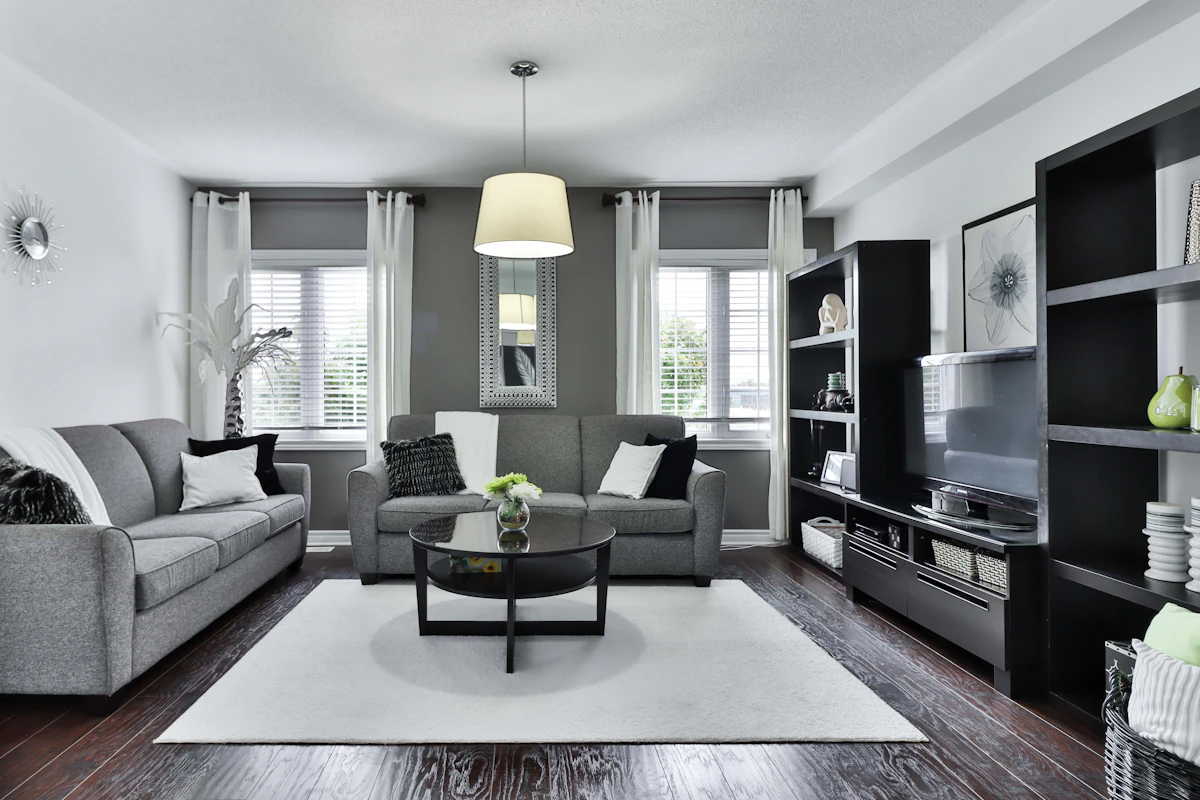
Contemporary design is often confused with modern design, but it is not the same. Modern design is a historical style. Contemporary design is whatever is current, and it changes...

Traditional design has been popular for centuries, because it is based on classic proportions, quality materials and comfortable furniture. It is the style of a home that feels...

Japandi is a blend of Japanese and Scandinavian design, two styles that share a love of simplicity, natural materials and calm. Japanese design brings minimalism, low furniture...
Choose the style that suits how you live, not just how you want the room to look. Read the guide for the style you are drawn to, and the guide for the closest style, and pick the one that fits your life.
Modern is a historical style from roughly 1900 to 1960. Contemporary is what is current now and changes with fashion.
Yes. Keep one style as the base and add touches of a second style in textiles and objects. Avoid mixing three or more styles in one room.
Scandinavian and Japandi suit small homes well, because they use light colours, slim furniture and uncluttered surfaces.